
- All
- Product Name
- Product Keyword
- Product Model
- Product Summary
- Product Description
- Multi Field Search
Views: 259 Author: Site Editor Publish Time: 2025-12-23 Origin: Site


Key Technologies That Enhance Precision in Trimming Machines
5-Axis Cutting: Revolutionizing Precision in Clear Aligner Trimming
In the medical field, particularly in orthodontics, the production of clear aligners requires a high degree of precision. These aligners need to be tailored to the unique dental structure of each patient, ensuring a perfect fit to facilitate effective treatment. Any minor error during production can significantly impact the effectiveness of the treatment and the comfort of the patient.
Trimming machines have become indispensable tools in the production of clear aligners. By providing high-precision trimming, these machines help ensure that every aligner fits its patient’s dental specifications perfectly. This article explores how trimming machines enhance precision in clear aligner production, focusing on the technologies and processes that make them essential in the healthcare sector.
When it comes to orthodontics, precision is paramount. Clear aligners are designed to fit snugly over a patient's teeth and gradually move them into the desired position over time. Even the smallest deviation in fit can compromise the aligner’s effectiveness and cause discomfort or even harm.
For orthodontists, achieving the ideal custom fit means ensuring that each aligner is trimmed to match the precise contours of a patient's teeth. Traditional manual trimming methods are prone to human error and inconsistency, leading to misfits and delays in treatment.
This is where trimming machines come in. By providing a high-precision solution, these machines ensure that each aligner is produced with the utmost accuracy, reducing errors, improving comfort, and enhancing treatment outcomes.
To ensure the highest levels of precision, modern trimming machines are equipped with advanced technologies that enable them to perform highly detailed cutting tasks with minimal error. These technologies not only improve the quality of the trimming process but also streamline production, making it faster and more reliable.
Some of the key technologies that enhance precision in trimming machines for clear aligners include:
5-Axis Cutting Technology
CNC Technology
Automated Measurement Systems
Real-Time Monitoring and Adjustment Systems
Each of these technologies contributes to the high-precision trimming required for effective clear aligner production. Let’s delve deeper into how they work.
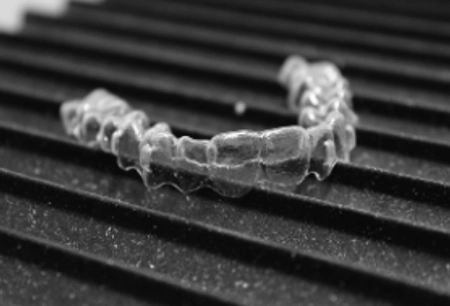
One of the most important advancements in trimming machines for medical applications is the introduction of 5-axis cutting technology. This cutting-edge system enables the machine to move and trim an aligner from multiple angles simultaneously. With 5-axis cutting, the machine can handle intricate designs and ensure that every contour of the aligner is precisely cut.
In the case of clear aligners, the need for multi-angle cutting is crucial because the aligner must fit snugly against various surfaces of the patient’s teeth. A simple two-dimensional cut would be insufficient, as it would not accommodate the natural curves of the dental arch or the patient’s specific anatomical features.
5-axis cutting technology allows the trimming machine to adjust the cutting path in real-time, resulting in a more precise, consistent, and accurate outcome. This level of precision ensures that the clear aligner fits perfectly, reducing the risk of discomfort or inefficiency during the treatment process.
CNC (Computer Numerical Control) technology has revolutionized the way trimming machines operate. By using CNC, trimming machines are able to follow highly detailed instructions with remarkable accuracy, trimming clear aligners to the exact specifications needed.
With CNC control, the trimming machine follows a set of pre-programmed instructions based on digital scans of the patient’s teeth. These digital files provide the machine with the precise measurements required to trim the aligner, ensuring that the final product matches the specifications perfectly.
The integration of CNC technology also minimizes human intervention, which reduces the likelihood of errors due to operator fatigue or oversight. This makes CNC-controlled trimming machines ideal for producing large batches of high-precision clear aligners, especially in small clinics or larger medical facilities.
Every patient has a unique dental structure, and clear aligners need to be tailored to fit those individual needs. Trimming machines equipped with advanced customization features allow for a high degree of flexibility in the trimming process.
Modern trimming machines can be easily adjusted to accommodate the unique contours and shapes of each patient’s teeth. This level of customization ensures that each aligner fits perfectly, improving the overall effectiveness of the orthodontic treatment.
In addition, automated software systems allow for quick adjustments, enabling the operator to make real-time changes to the trim based on patient-specific data. This flexibility ensures that each clear aligner meets the exact requirements for fit and comfort, ultimately leading to better treatment results.
Manual trimming processes are highly susceptible to human error, which can lead to miscuts and imperfect fits. In contrast, trimming machines eliminate much of this risk by automating the trimming process and following pre-programmed instructions.
By relying on digital scans and CNC technology, trimming machines are able to trim clear aligners with consistent precision every time, ensuring that no mistakes are made. Even in high-volume production environments, trimming machines maintain their accuracy, which is critical for ensuring that each aligner meets the patient’s specific needs.
Furthermore, the automation of the trimming process reduces the need for skilled labor, enabling clinics and medical facilities to produce large quantities of clear aligners without compromising on quality.
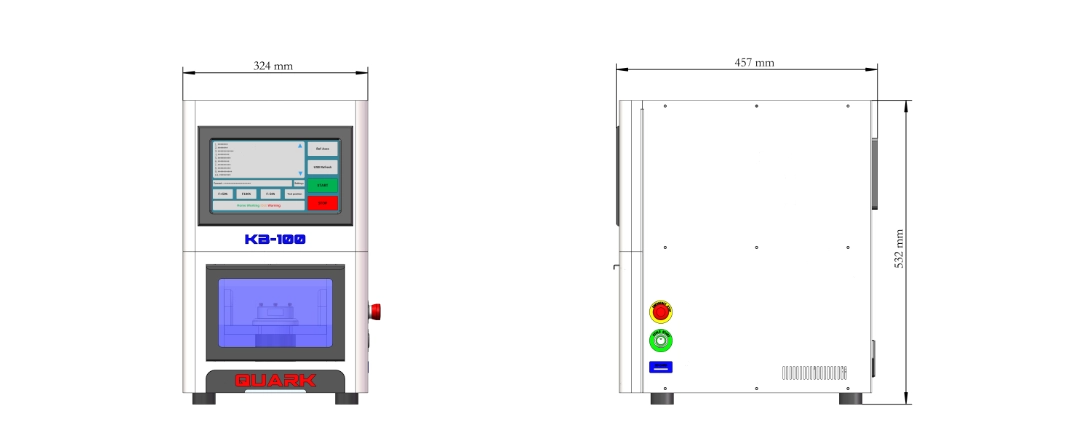
The primary reason precision is so important in clear aligner production is its direct impact on patient care. A well-fitted aligner is essential for the success of orthodontic treatment. If the aligner is poorly trimmed, it can cause discomfort, affect the alignment process, or even lead to further complications.
By enhancing the precision of the trimming process, trimming machines contribute significantly to the overall success of the treatment plan. They help ensure that aligners fit properly, providing patients with the best possible comfort and the most effective treatment outcomes.
In the context of small clinics or larger medical facilities, ensuring that every clear aligner is trimmed with precision can also help improve patient satisfaction, leading to faster adoption of treatments and higher retention rates.
Trimming machines have become essential in enhancing the precision of clear aligner production in the medical field. With advanced technologies like 5-axis cutting and CNC control, these machines ensure that every aligner is trimmed to the exact specifications required for a perfect fit. By reducing human error, improving consistency, and providing customized solutions, trimming machines significantly improve the quality of orthodontic treatments, ultimately benefiting both patients and healthcare providers.
As technology continues to advance, trimming machines will only become more precise and efficient, further revolutionizing the way clear aligners are produced and improving the overall quality of orthodontic care.
Q1: How do trimming machines ensure a perfect fit for clear aligners?
A1: Trimming machines use 5-axis cutting and CNC technology to follow precise, pre-programmed instructions based on digital scans of a patient's teeth, ensuring each aligner fits perfectly.
Q2: What makes trimming machines more accurate than manual trimming?
A2: Trimming machines eliminate human error by using automation and advanced technology, ensuring consistent precision across all aligners and reducing the risk of miscuts.
Q3: Can trimming machines be adjusted for different patient needs?
A3: Yes, modern trimming machines are highly customizable, allowing for real-time adjustments based on the unique contours and shapes of each patient's dental structure.
Q4: How do trimming machines improve the efficiency of clear aligner production?
A4: By automating the trimming process, trimming machines significantly reduce production time, improve consistency, and minimize the need for skilled labor, leading to faster turnaround times and higher production capacity.


